4 Ways to Elevate Card Programs for Both Issuers and Cardholders


Explore how your institution’s offerings can achieve top-of-wallet card status.
Credit and debit cards remain among the most popular payment methods, according to Fiserv consumer trends research, offering convenience, security and rewards. For card issuers, the goal is clear: becoming the top-of-wallet choice. Achieving this status drives usage and boosts revenue. Meanwhile, on the cardholder side of the equation, users are seeking incentives like rewards, flexibility and robust security. For card programs to succeed, they must deliver value to both parties.
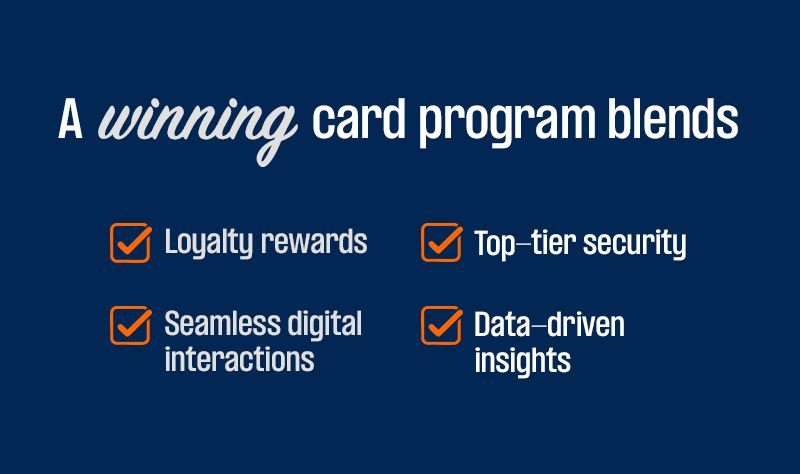
This dual objective requires strategic investments in four key areas: loyalty and rewards, seamless digital experiences, multilayered security, and analytics-backed insights. Focusing on these components will enhance the cardholder experience while driving issuer outcomes, ensuring the program’s long-term success. Let’s take a closer look at how it all works.
1: Loyalty and rewards programs
Benefits for Cardholders:
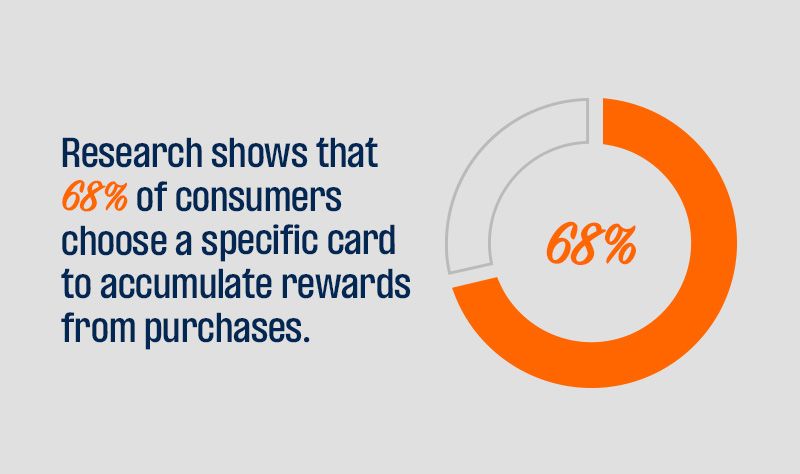
Loyalty and rewards programs play a pivotal role in consumer decisions. Research shows that 68% of consumers choose a specific card for purchases to accumulate rewards. “We all have different motivations for why we use our cards. The more robust of a reward program you have, the more likely your card is to become top of wallet,” said Andrea McGuire, VP, Sales at Fiserv Card Services. “Consumers want choice and empowerment,” said Erik Wichita, Head of Card Services at Fiserv. Whether earning points, cash back or travel miles, cardholders appreciate a diverse range of redemption options tailored to their lifestyles.
Benefits for Issuers:
For issuers, diverse rewards programs drive higher activation rates and sustained usage. A strong rewards offering can also foster long-term loyalty, making it more likely that a card remains the top choice for consumers. This approach is particularly critical as younger demographics, like Gen Z, express dissatisfaction with many existing rewards programs, according to a PYMTS intelligence report.
2: Seamless digital experiences
Benefits for Cardholders:
In a digital-first world, consumers expect flexibility in managing their cards. Features like digital wallet integration/push to wallet, digital issuance, and robust tokenization provide a seamless transition between physical and digital environments. These capabilities enable users to access their cards immediately and make secure transactions without delays. “We call it a unified, integrated experience,” McGuire said.
Benefits for Issuers:
Offering features such as digital issuance not only meets consumer expectations but also increases early and frequent card usage. Research shows that nearly half of consumers say that instant access to an issued card, in person or digitally, would elevate satisfaction.
3: Multilayered security
Benefits for Cardholders:
Fraud prevention remains a top concern for cardholders, and security innovations help reassure users that their transactions are safe without adding complexity. Advanced fraud detection systems, tokenization and secure card management solutions reduce the risk of unauthorized activity.
Benefits for Issuers:
For issuers, reducing fraud “lowers operational costs and boosts revenue, by improving trust and consumer loyalty,” said Wes Suter, Senior Director, Product Solutions at Fiserv Card Services. As fraudsters evolve their tactics, issuers with robust, multilayered security that leverages predictive analytics to identify emerging fraud trends are better positioned to maintain consumer confidence and minimize losses.
“When cardholders feel secure, they’re more likely to use their card for a broader range of transactions,” said Greg Martin, VP of Sales at Fiserv. And that’s beneficial for everyone.
4: Analytics and reporting
Benefits for Cardholders:
Real-time visibility into spending empowers cardholders to make informed financial decisions. Features like enriched transaction data with logos and locations and dynamic dashboards offer clarity, helping users track expenses, spot unauthorized activity and manage their finances effectively.
Benefits for Issuers:
By analyzing transaction patterns, issuers can identify consumer preferences, improve card offerings, personalize rewards and refine their offerings to meet evolving needs. Advanced analytics also enhance fraud detection, enabling faster responses to suspicious activity.
Maximizing card program success
A winning card program blends loyalty rewards, seamless digital interactions, top-tier security and data-driven insights. When done right, issuers see higher activation, increased usage and greater revenue, while cardholders enjoy the convenience, benefits and peace of mind that make a card their go-to choice. By prioritizing these key elements, financial institutions can stay ahead of evolving consumer expectations and build lasting success for years to come.